
Most business owners think a website’s job is simply to look professional. But the truth is far more powerful.
A successful website isn’t just visually appealing, it’s strategically designed to guide visitors toward action. Research shows that visitors decide whether to trust your website in less than five seconds. Within that short window, your design must communicate credibility, clarity, and purpose. At Briva, we approach website design through a strategic lens, combining visual psychology, user experience, and conversion principles to transform websites into tools that generate leads and grow businesses.
Here are four psychological elements that separate average websites from high-converting ones.

Before a visitor reads your services or contacts your business, they subconsciously ask one question: “Can I trust this company?” Trust signals are visual and informational cues that immediately build credibility.
Examples include:
Without these signals, visitors hesitate and hesitation often leads to them leaving your website entirely. A well-designed website makes trust obvious within seconds.

Humans naturally look to others when making decisions. This is why reviews, testimonials, and case studies are some of the most powerful elements a website can include. Social proof reassures visitors that others have already trusted your business and had positive experiences.
Examples of strong social proof:
When visitors see others benefiting from your services, it reduces uncertainty and makes them more comfortable taking the next step.
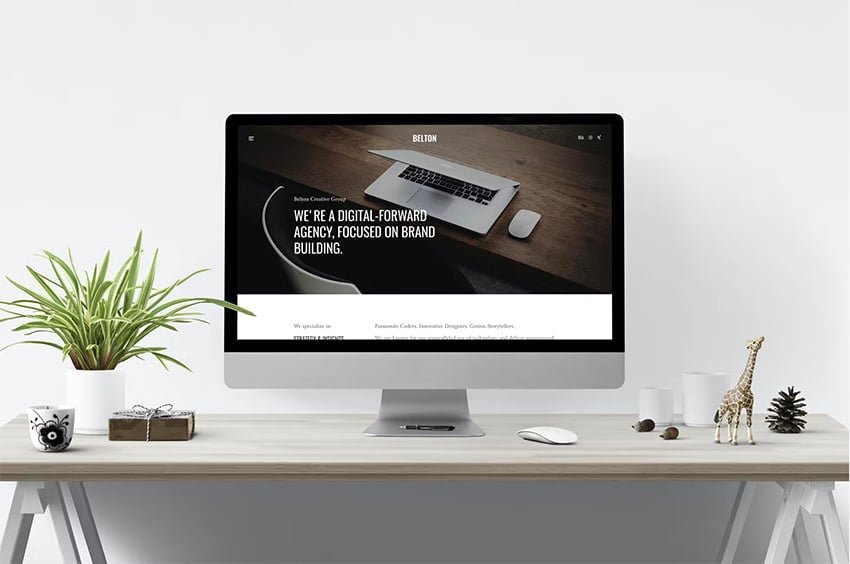
Visitors rarely read websites word-for-word. Instead, they scan the page quickly, looking for the most important information. Visual hierarchy ensures that your website naturally guides visitors toward key actions.
This is done through strategic use of:
For example:
A strong headline grabs attention first. Supporting text provides clarity. A bold call-to-action button invites action. Without visual hierarchy, websites feel overwhelming and confusing, causing visitors to leave before they understand your value.
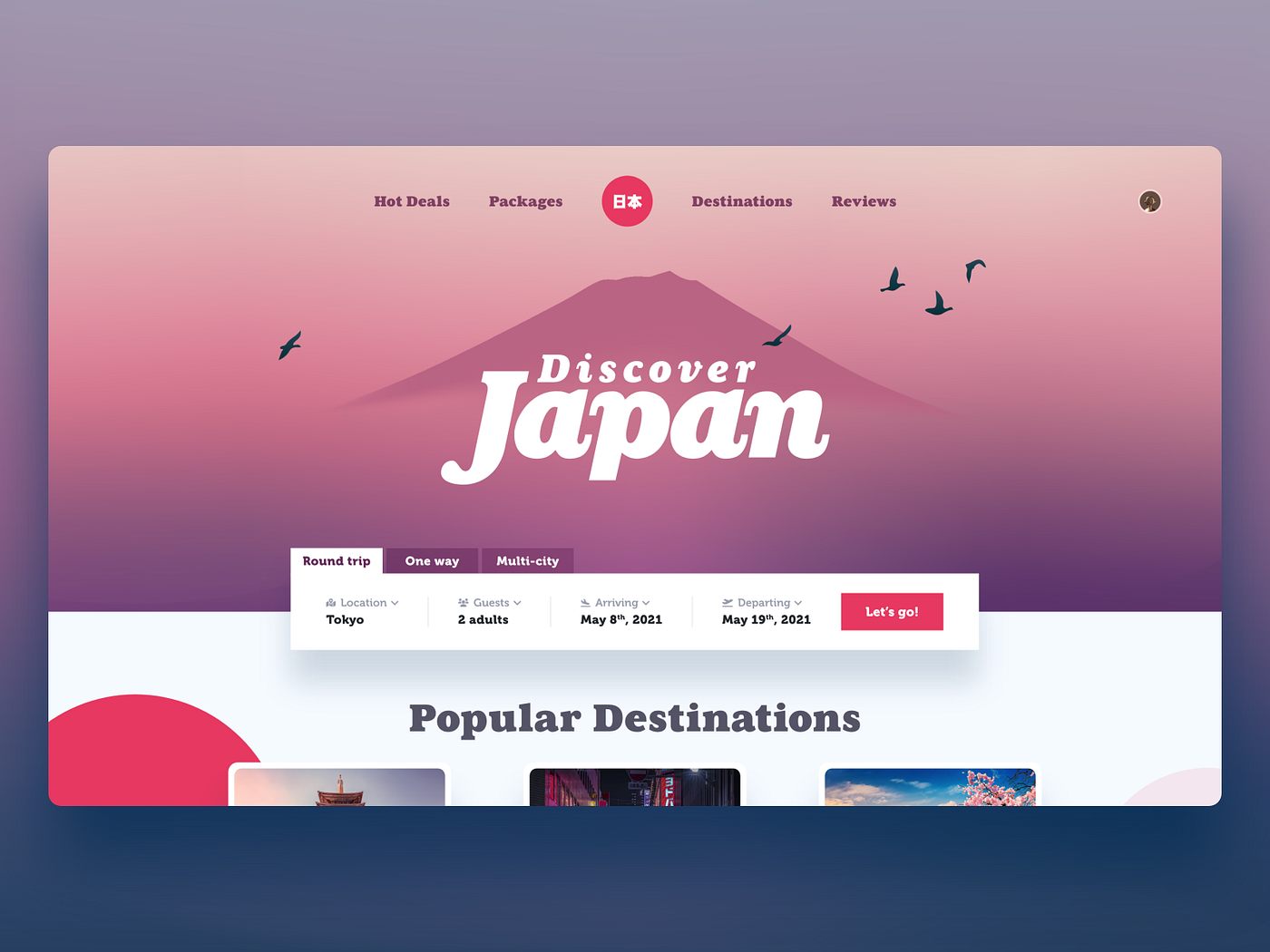
Even a beautifully designed website fails if it doesn’t tell visitors what to do next. This is where call-to-actions (CTAs) come in. A CTA guides the visitor toward the next step in their journey with your business.
Common examples include:
The most effective websites place CTAs strategically throughout the page so visitors always have a clear path forward. Without them, visitors may be interested in your services, but leave because they don’t know how to proceed.
Many websites exist simply as digital brochures, but a strategic website does far more. By combining smart design, user psychology, and clear strategy, a website can attract visitors, build trust, guide attention, and encourage action. When these elements work together, your website becomes more than an online presence, it becomes a platform that builds credibility, generates leads, and supports long-term business growth.
join the success
If your current website isn’t generating the results you expected, it may be time for a strategic redesign.
Schedule a consultation with Briva and let’s create a website designed to support your business growth.
We use cookies to improve your experience on our site. By using our site, you consent to cookies.
Websites store cookies to enhance functionality and personalise your experience. You can manage your preferences, but blocking some cookies may impact site performance and services.
Essential cookies enable basic functions and are necessary for the proper function of the website.
These cookies are needed for adding comments on this website.
Statistics cookies collect information anonymously. This information helps us understand how visitors use our website.
SourceBuster is used by WooCommerce for order attribution based on user source.
You can find more information in our Store and Privacy Policy.